|
Cosmic radiation can be of galactic and solar origins and
can affect both avionics and humans.
The main component of the radiation is the galactic cosmic ray background - this is
modulated by the solar cycle and can be enhanced by solar activity.
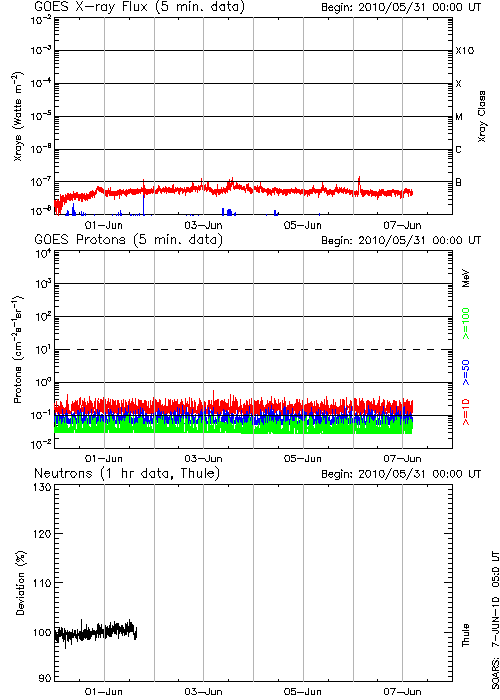
The bottom panel of the plot shows neutron flux measured at ground level and is a measure of the cosmic ray flux. Decreases can be caused by the passage of CMEs (so called Forbush Decreases); rises can be caused by solar flares.
If an intense solar flare occurs, the level of radiation can increase. The
top two panels show the X-ray flux and proton flux measured by the GOES
spacecraft - if these show significant increases there may be
enhanced radiation levels.
|
|||||||||
Radiation Dose ServiceIn May 2000, European legislation (CEC Directive 96/29/Euratom) came into effect that requires European airlines to monitor the exposure of their crewmembers to cosmic radiation. The Directive is implemented at the national level - guidance material provided within the UK is available here.SOARS is constructing a service that will allow users to calculate the radiation dose they received on their flights. We hope this will be available soon - here you see examples of the input and report pages.
| |||||||||

